
Quality Roof Windows, Made Affordable

Our goal is to make high quality roof windows more affordable. We provide quality products with professionals in mind. We exceed their expectations by providing great value at a better price.

About Dakea

Dakea is the roof window choice for smart professionals

At Dakea, we pride ourselves on delivering high-quality, affordable roof windows that create stunning, quiet, energy-efficient and safe rooms in any home. Our roof windows are manufactured to the highest standards and backed by a 20-year guarantee which gives our partners peace of mind. But the real difference with Dakea is the long-lasting working partnerships we build with professional homebuilders, roof window installers and merchants.
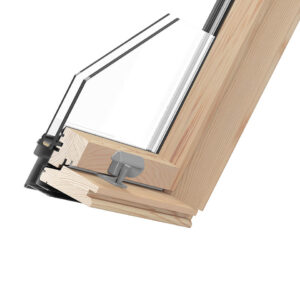
Featured Products

Key Features & Benefits

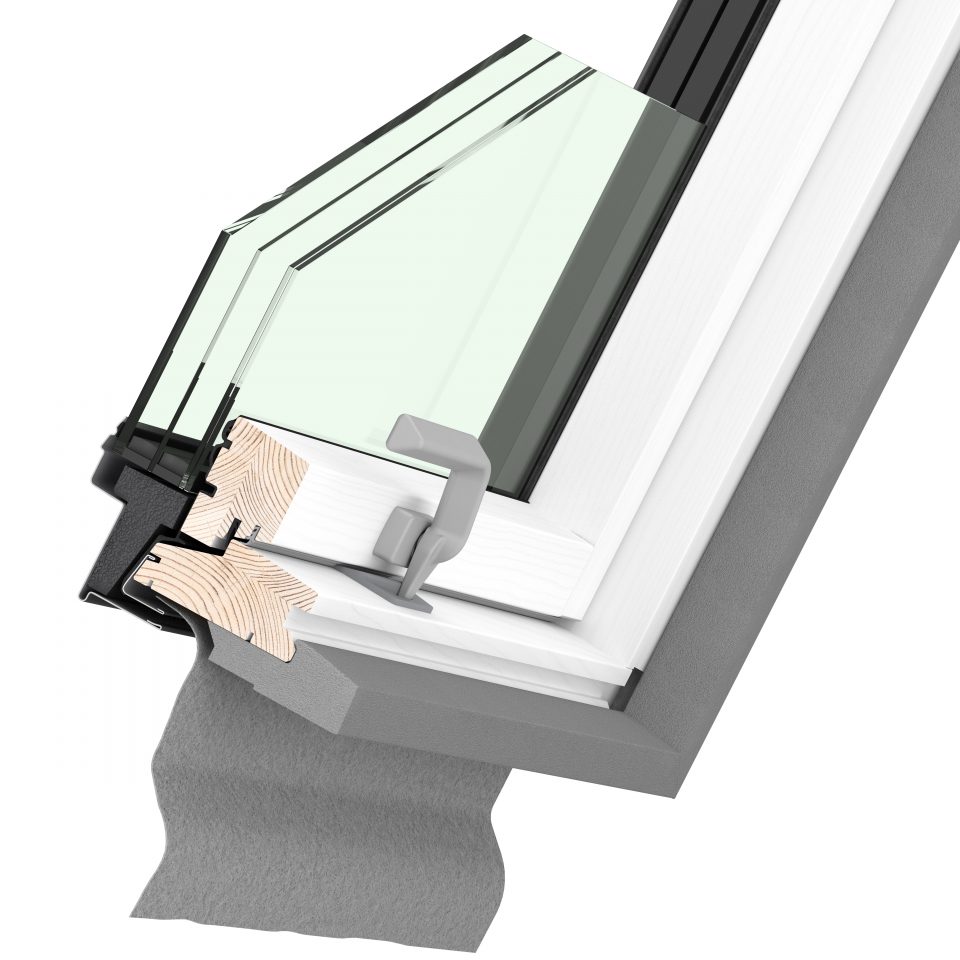
Triple / double low-E glazing with Uw values around 1.1 W/m²K (or better) reduces heat loss in winter, limits overheating in summer, and lowers energy bills.

Laminated inner pane + toughened outer glass provides protection against impact, storms, and hail damage (lifetime guarantee), ensuring safety inside and out.

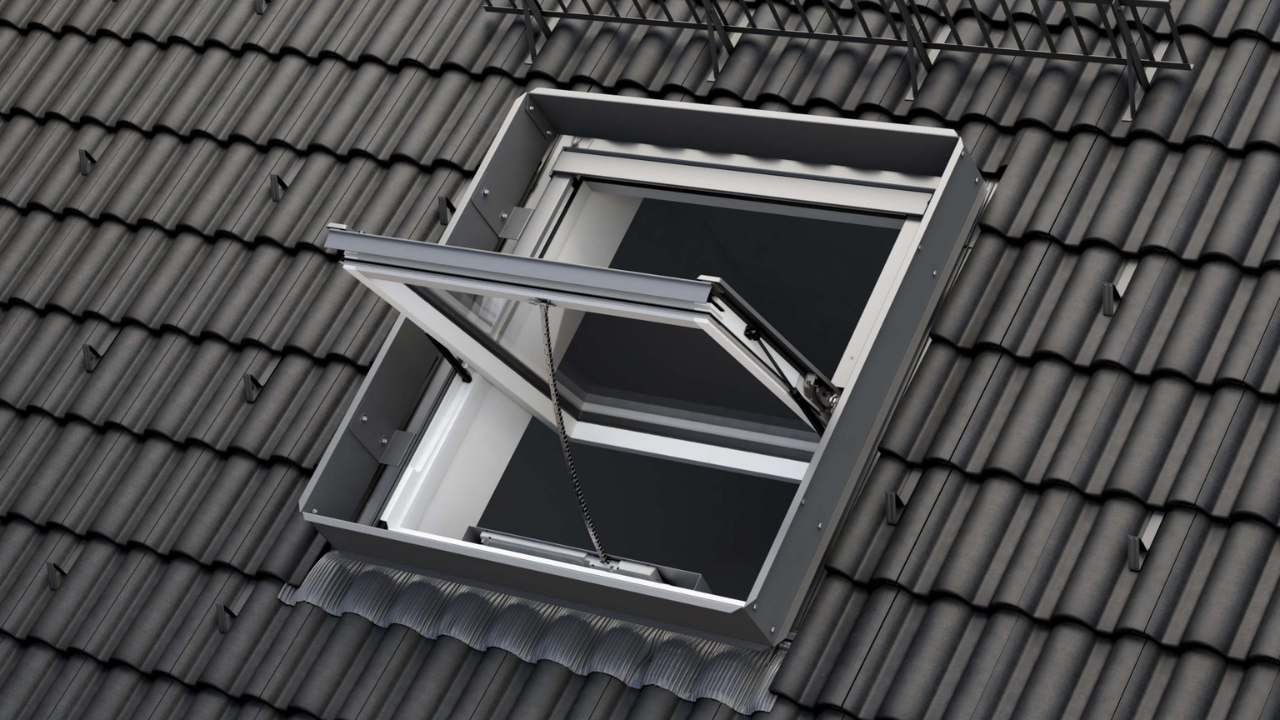
Gas strut–assisted opening ensures effortless operation, secure open positioning, and added safety—ideal for roof access, ventilation, or emergency use.

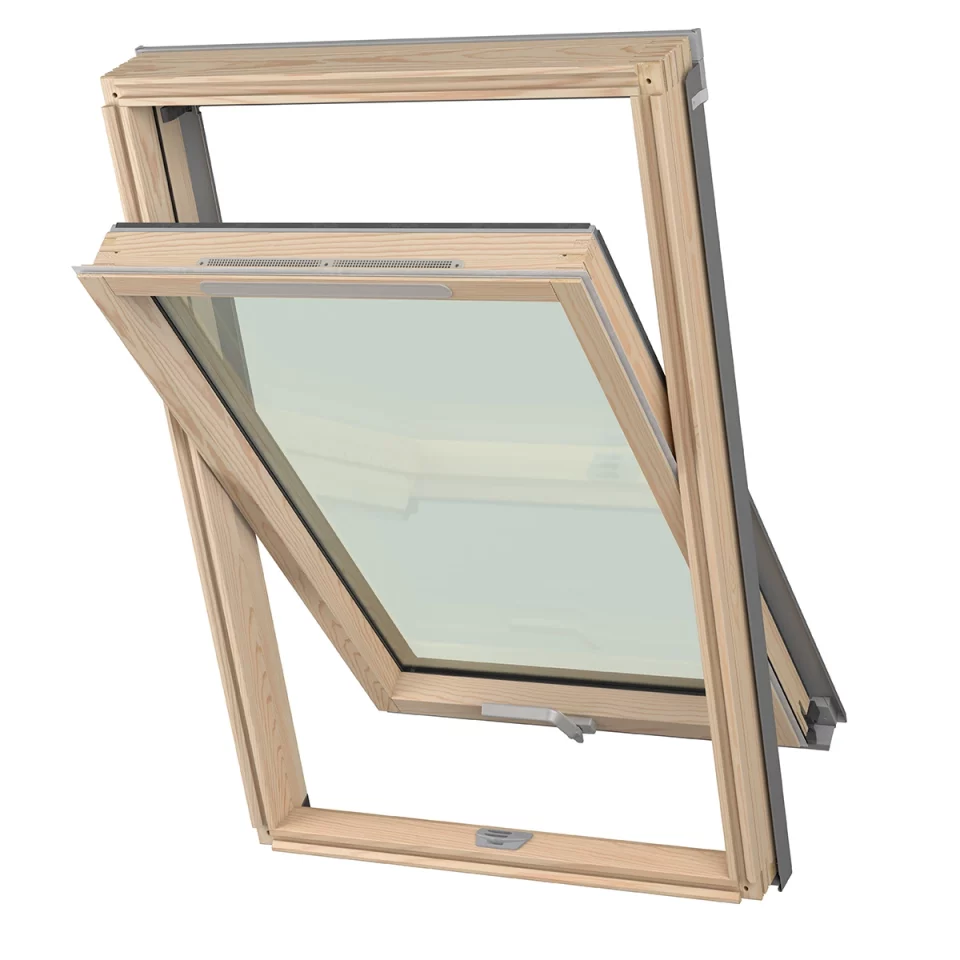
Made from certified Nordic pine or PVC, designed for long-term durability, moisture resistance, and easy cleaning with minimal maintenance.

Supplied with Quick Install systems, insulation collars, and fixing kits, enabling faster installation with fewer errors and reduced labour time.

Backed by 10–20 year transferable warranties, adding long-term reliability and increasing property value.

Why Dakea?

Team Building

The built environment accounts for 37% of global CO₂ emissions worldwide. As part of the industry, Dakea takes action to reduce its greenhouse emissions.

Our Heritage

Dakea is owned by Altaterra, a business that’s been established in the UK since 2001 and, as part of the VKR Group, is built on more than 75 years of industry experience.Dakea was launched in 2012 to provide high-quality affordable roof windows for the professional market.

Always quality

Dakea windows are manufactured using top-quality raw materials to the highest production standards and independently tested to ensure they meet with our exacting standards. Our eco-credentials are also important to us and we only use wood sourced from sustainable forests that have been certified by the Forest Stewardship Council.

Quality Standards

With more than 80 years of experience in roof window manufacturing, we have reached the highest manufacturing standards possible. Learn more about our production processes and why we are so confident about the quality of the final outcome – the Dakea roof window with a 20-year guarantee.

Builders merchants

You sell products that meet market demands. You care about your customers by providing them with great value at a better price. Also, you get outstanding sales support and promo materials.

Installers

You are smart because you chose wisely and decided on Dakea products – quality roof windows with unbeaten value to price ratio and ease of installation.

End-users

You chose more wisely than others and relied on a professional recommendation – you paid less, but got a better product with the added bonus of 20 years of guarantee.

Certificates

Highly accredited

We are so confident about the high quality of our windows, that we give them a 20 year guarantee - the longest guarantee on the market. We take quality very seriously and have a list of certificates to prove it.

Your Content Goes Here

Outstanding quality control

We accept only the best so our production is rigidly controlled to make sure it meets the highest possible standards. We have certificates to prove that too.

Your Content Goes Here

Frequently Asked Questions

Explore our frequently asked questions by section

Product FAQs

The key difference between a skylight and roof window is that skylights are designed for unoccupied rooms like storage attics or garages. Roof windows are designed for occupied rooms where insulation and similar factors are vital.

To maximise light in a room, choose multiple smaller windows rather than one larger window.

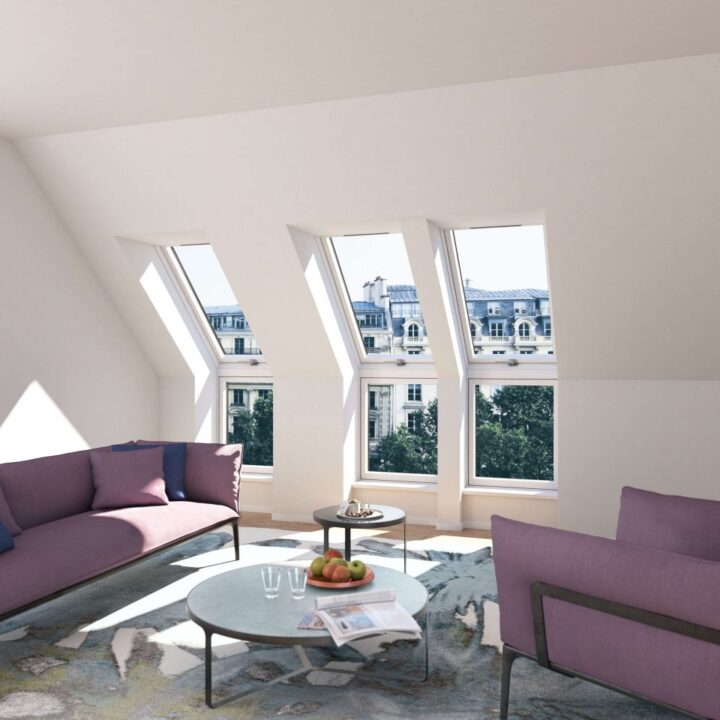
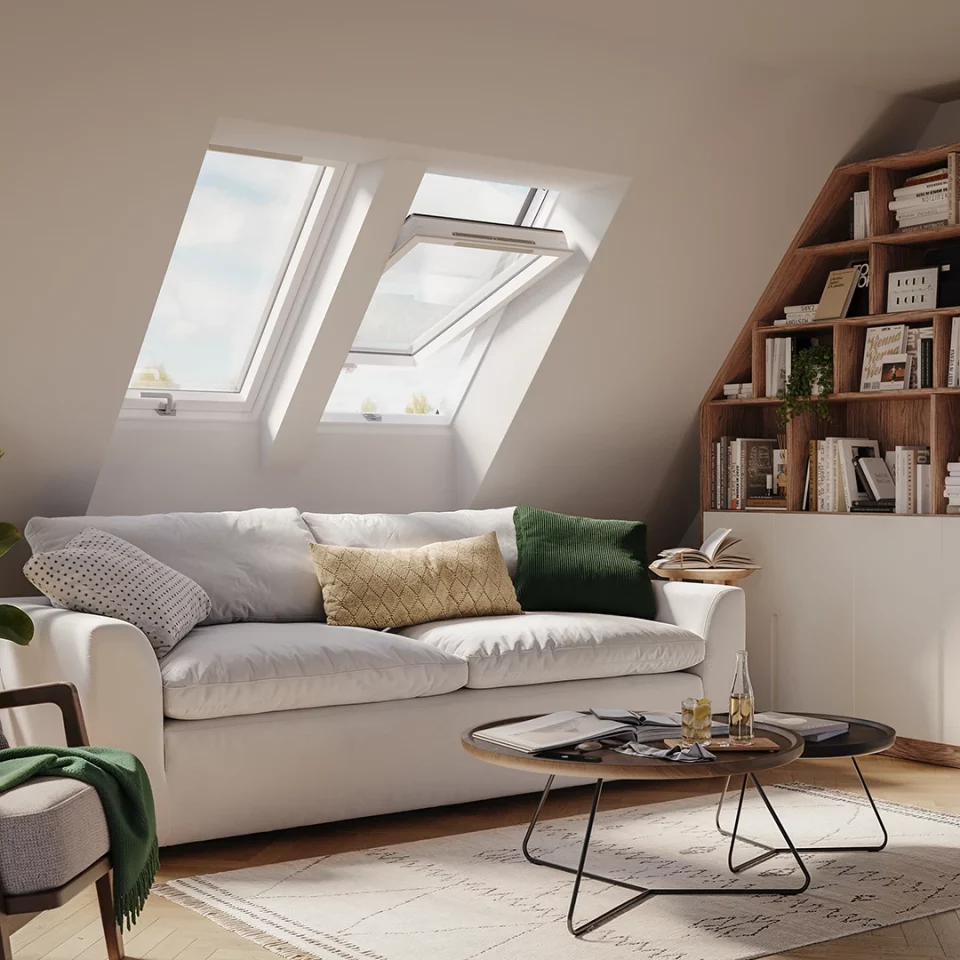
Using one large roof window might allow daylight to light up 46% of the room. Two roof windows with the same combined surface area of the single one would illuminate about 48%. Four roof windows with the same combined total surface area, but distributed more evenly, would allow daylight to illuminate approximately 65% of the room!

The positioning of the lining also impacts light levels.

Some of our best windows for maximising daylight in a room are the Better View windows that are a high pivot window. Our Vision Energy windows are also great as they’re designed to be paired with another openable roof window to maximise light levels.

All of our roof windows will positively impact the light in a room. The key thing is to think about placement and consider using multiple smaller windows to better distribute light.

Our most insulative windows are the Ultima Energy range. They use three panes (triple glazing), heat reflective coatings, krypton gas and additional noise block technology for the best sound and heat insulation. View the Ultima Energy and Ultima Energy PVC windows.

The Better Energy is also another good choice that uses triple glazing to improve insulative qualities. It’s slightly more budget friendly than the Ultima Energy, while still providing effective insulation.

Choosing the right pitched roof window is often a matter of size. If you have a low roof pitch you need a larger roof window (height particularly) to have the same view as in a house with a steeper roof pitch. In other words, for the same view, a shallow pitch roof requires a taller window than a roof with a steeper pitch.

In addition to the size of the roof window, you should also consider at which height to install the roof window. It is important that most occupants in the house have a clear view out of the window. A general rule is: the lower the pitch of the roof, the higher you should position the roof window.

There is no single “correct” window size or window placement. You should always place the window for the convenience and functionality of the users, and this can vary according to the conditions.

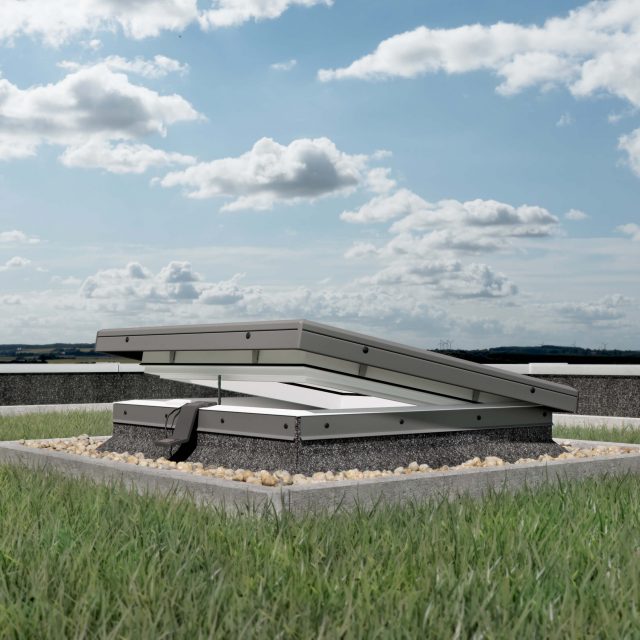
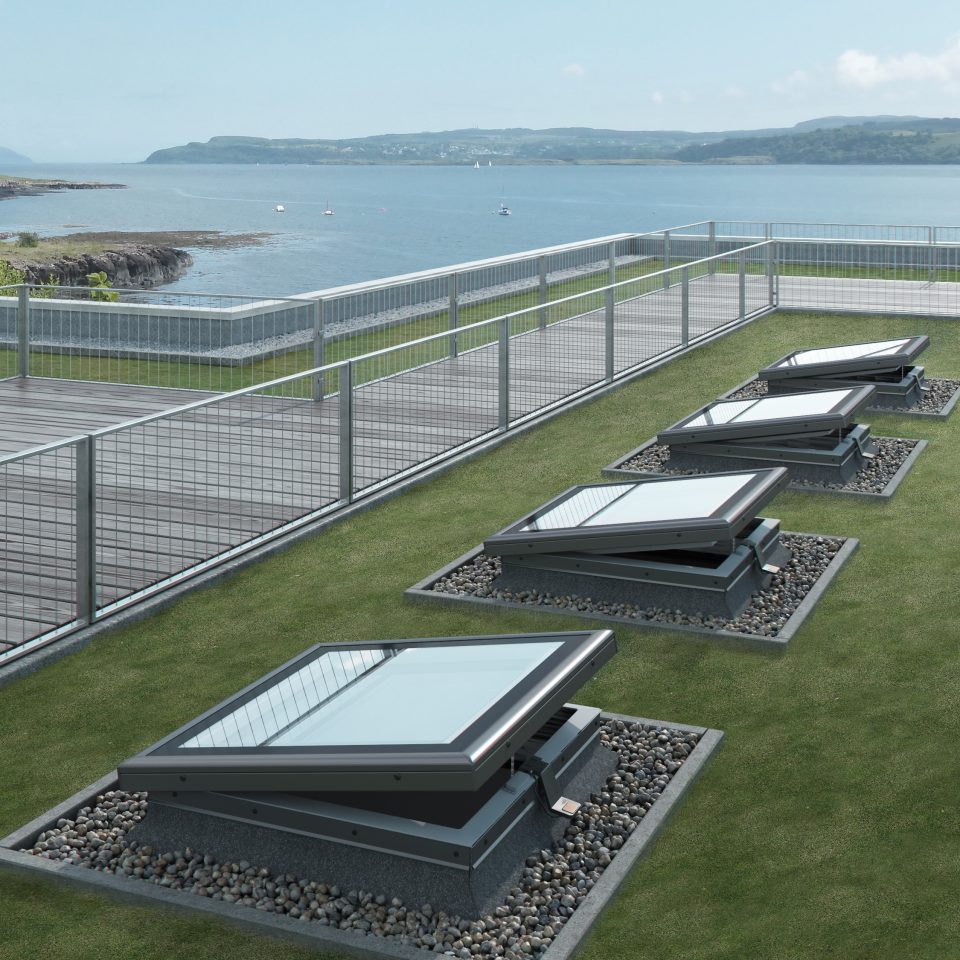
We also have a range of flat roof windows suitable for a pitch between 5-15°.

If you’re a homeowner, you should contact your roofer or installer. It will depend on when the roof window was installed as to why it’s leaking and what the best solution is.

If you’re a roofer, window installer or contractor, you should check the window and flashing for damage, as well as check that it was correctly installed. Bear in mind that it’s not always the roof window that’s leaking and water can be coming from another source!

Read our full guide on roof window and skylight leaks for more information.

We have roof window sizes from C2A (55x78cm) to U8A (134x140cm). Use our window configurator tool to find the best window for your size requirements.

To discover our full range of sizes, view our rooflight size guide.

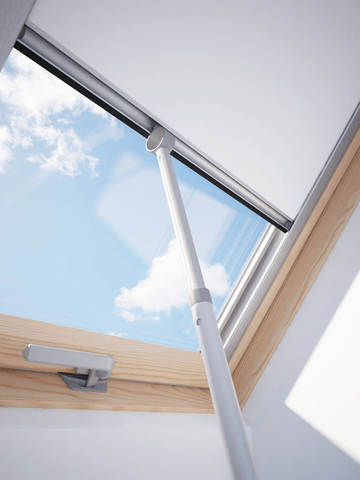
To open the roof window, unlock the latch by pivoting it, then apply gentle pressure to the window to push it open. If the window is high up, our telescopic opening rod might come in handy.

You can leave your roof window open in the rain provided that the rain is light and the roof window isn’t open too wide. In heavy rain, even if the window is only open a little, you might notice rain splatter entering.

We recommend you only fully pivot your window for cleaning. If it’s fully pivoted, any rain water will run into the room.

Be sure to close your windows when you’re not in the house for security. Read more roof window security tips.

Dakea’s high quality, insulative windows minimise condensation, but where the temperature gradient is extreme it can still occur. The best steps are to ensure your room is well ventilated and kept warm. Avoid creating moisture in rooms that are not designed for it. For example, hanging washing in the attic room.

If your roof window is more than 20 years old, the seal on the window could be damaged, or the insulation has become otherwise less effective. It might be time to consider replacing the window.

Read our full guide on: how to stop roof window condensation.

Installation FAQs

Lining should be vertical below the window, and horizontal above the window, to allow more light to enter the room. Be sure to check it’s correctly splayed. When incorrect, warm air becomes trapped and may cause condensation. When correct, warm air can circulate freely around the room, reducing the risk of condensation.

The structural integrity of the roof should be considered fully before choosing a size or style of roof window. Most roofs can be adapted to take roof windows but some engineered trusses should not be cut without a proven solution. Homes constructed after 1960 will most likely have factory-built roof trusses. These will need to be checked by a structural engineer before work commences.

Remember, it’s always safer to make the roof hole from inside. Be sure to place it where it’ll provide the best light and headspace, not simply where it’ll best fit in with the existing rafters.

If you have any doubts which beam to cut, we recommend seeking professional advice before commencing work.

You should wear suitable protective equipment during a roof window installation, such as hard hats, protective gloves etc. It is recommended that you wear safety masks and goggles when cutting any internal materials in the roof or when cutting tiles. Furthermore, it is also suggested using temporary support battens when placing the window frame.

You should complete the installation of a roof window from the inside of the house, and scaffolding is therefore not necessary.

However, as with all construction, there is a risk that objects might fall from the roof (hammer, tiles, etc). We therefore recommend that you never leave any object resting on the external face of the roof and that any area at risk should be sectioned off to minimise the hazard. It’s vital this is done appropriately in accordance with the Health and Safety at Work Act.

Even as an experienced roofer, you should consider an extra pair of hands. Windows can be heavy so it’s recommended to work with another person when handling the window – especially when lifting into position.

Aftercare & Guarantee FAQs

Please register your warranty here to get the guarantee!

The Next 20 Guarantee system gives you a simple choice between a 10-year legal guarantee and an extensive, unrivalled and free of charge 20-year product guarantee. This offer is available to our registered clients.

There are no hidden costs or conditions. You just need to register online to make the most of the transferable homeowner-to-homeowner 20-year guarantee.

There are some tell-tale signs that your roof window needs to be replaced: leaks, cracked glass, poor energy efficiency (lots of loss of heat), signs of mould, the roof window is very old.

If a roof window is more than a couple of decades old, it won’t have been manufactured to the same energy efficiency standards as are required with modern windows. It’s therefore likely to let a lot of heat out of the home (or in during summer). If you have a very old roof window, it would be worth replacing.

Read more on replacing a skylight.

Roof windows don’t need much maintenance. You should clean the pane periodically, grease the hinges occasionally and clean around the gutters on the window (most likely during Autumn). If the window is installed in a room with a high level of humidity, once a year you may need to re-lacquer the wood.

All roof windows rotate up to 165 degrees to facilitate easy cleaning of the external pane. Moreover, the Dakea Ultima range comes with a care-free Titan Glass coating. This breaks down dirt. Find out more in our blog: how to clean a skylight.

You can wipe the frame with warm, soapy water although this is rarely needed. If you do this often, you might need to re-lacquer the wood.

You only need to re-lacquer the wood if the roof window is in a high humidity room (although we would recommend choosing a PVC roof window for this!) or otherwise often comes into contact with moisture. You can use any water-based lacquer. Make sure it is applied evenly.

Roof window blinds do not need any regular maintenance. To clean them, simply wipe the blinds with a damp cloth.

To maintain the roller shutter, we recommend that you periodically clean the gutter and the area around the roller.

You do not need regular service for your roller shutter to keep it working. Just use common sense and it will last you for many years.

To care for your electric opener, you can clean the motor with a damp cloth using normal detergents.

We also recommend that you grease the chain once a year to increase durability and keep it running smoothly.

If your query hasn’t been answered above, please speak to a member of our customer service team via our contact page or call us.